Shellac starts as harvested lac resin.
The primer we trust on raw millwork is shellac: refined from lac, the resin secreted by Kerria lacca scale insects and harvested mainly in India and Thailand. Sticklac is scraped from host trees, washed, and dissolved in alcohol. That alcohol flashes off in minutes, so we can sand and coat again in the same session. Water-based primers linger, raise humidity in the grain, and fight the water-based finishes we lay on top. Most crews skip shellac because cleanup takes time and the material costs more — yet it is the difference between a finish that holds for years and one that shows tannin bleed within months.
The finish is only as good as what’s underneath it.
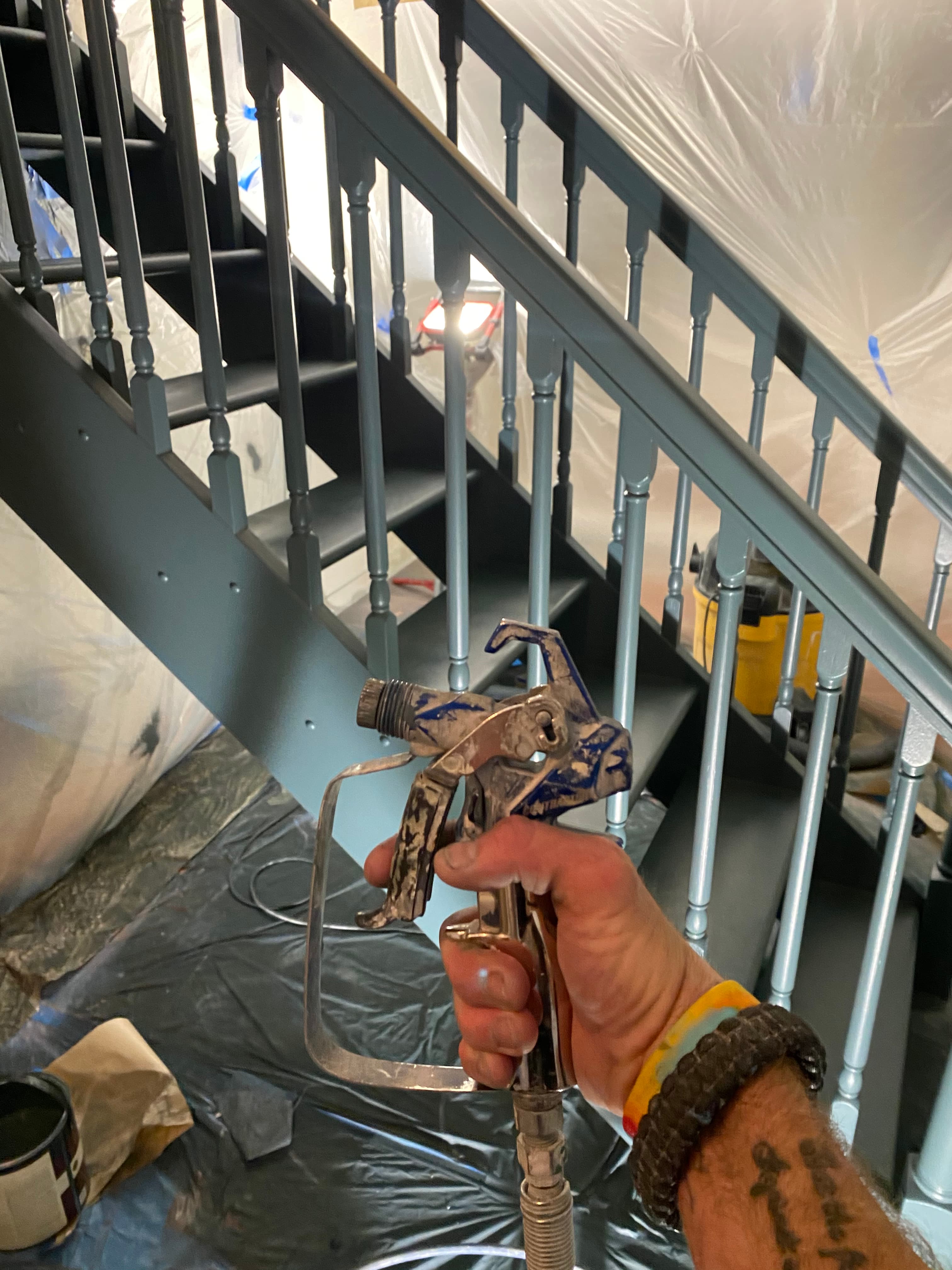
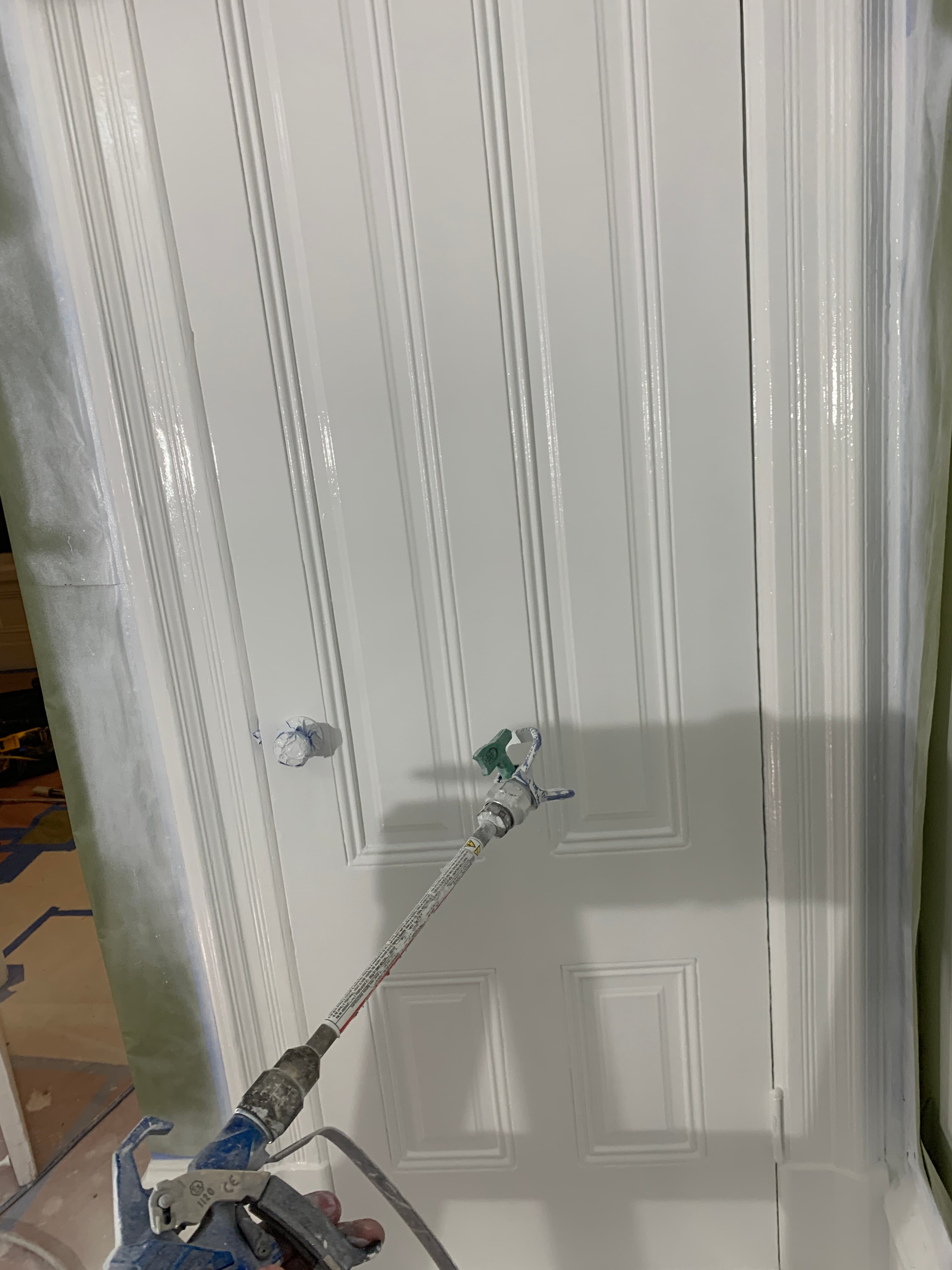
Primer is sanded smooth using the Festool sanders and dust extraction system paired with Granat abrasives — a self-sharpening, non-clog material that keeps cutting cleanly while allowing heat to dissipate from the surface. Heat buildup from a clogged disc doesn’t just slow things down, it can burn or glaze the material instead of abrading it cleanly. For contoured surfaces and moldings, Granat PROfile foam-backed pads conform directly to the shape. Polyester fillers are used for any repairs. On the spray side, Graco FFLP tips run at up to 50% lower pressure — delivering the softest, most consistent fan pattern available in airless spraying.
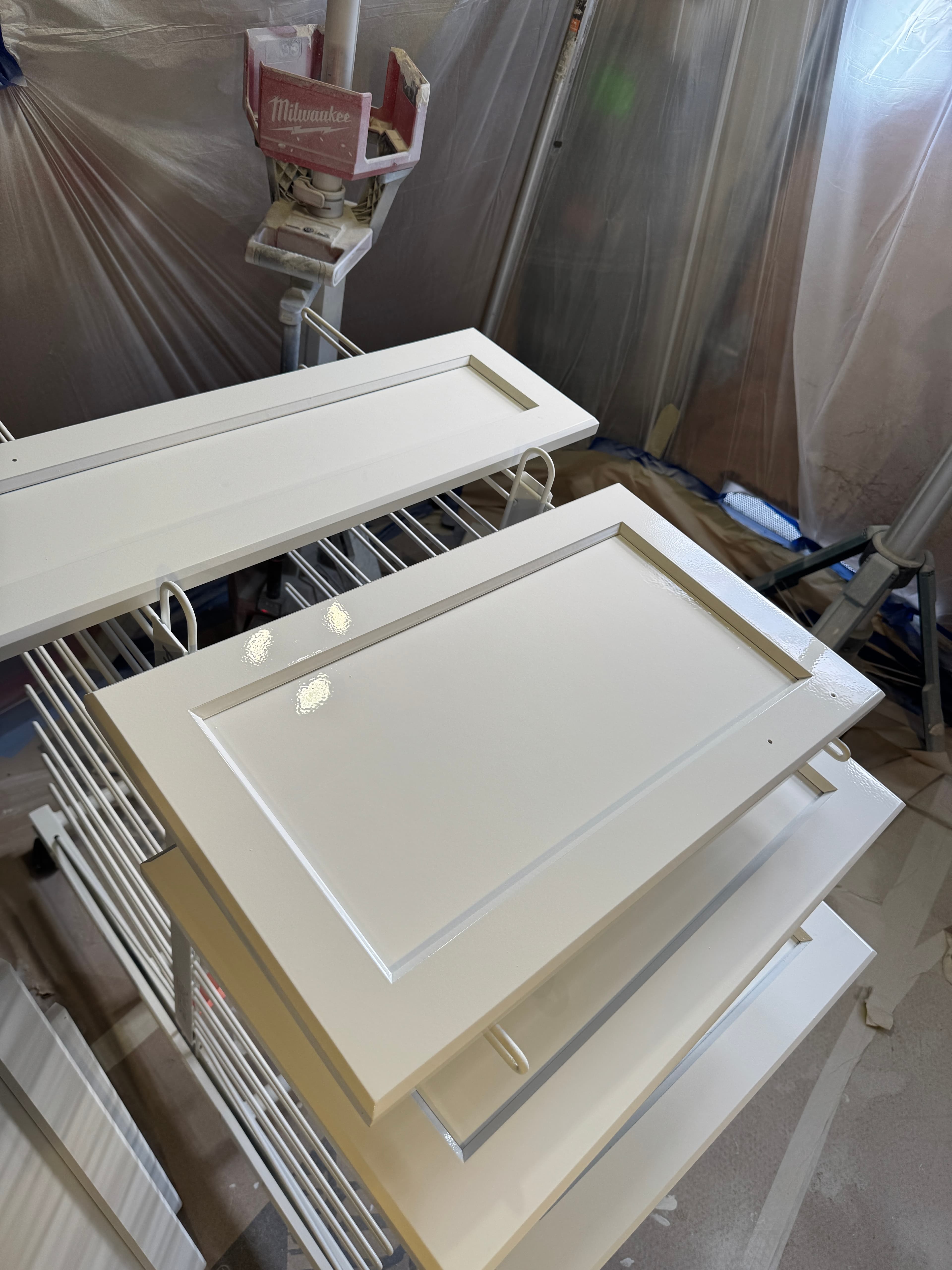
The closest thing to a factory furniture finish from a paint off the shelf.
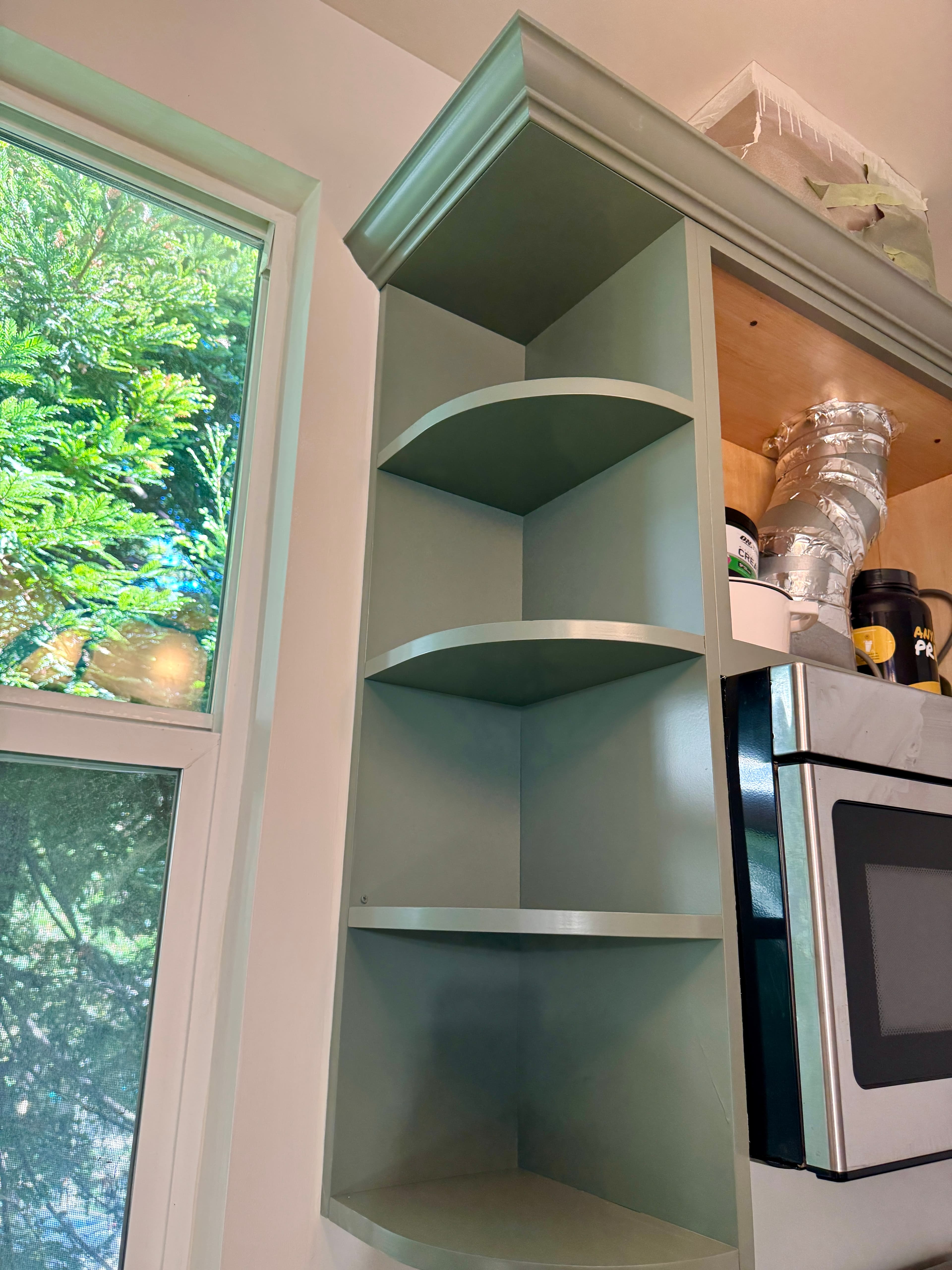
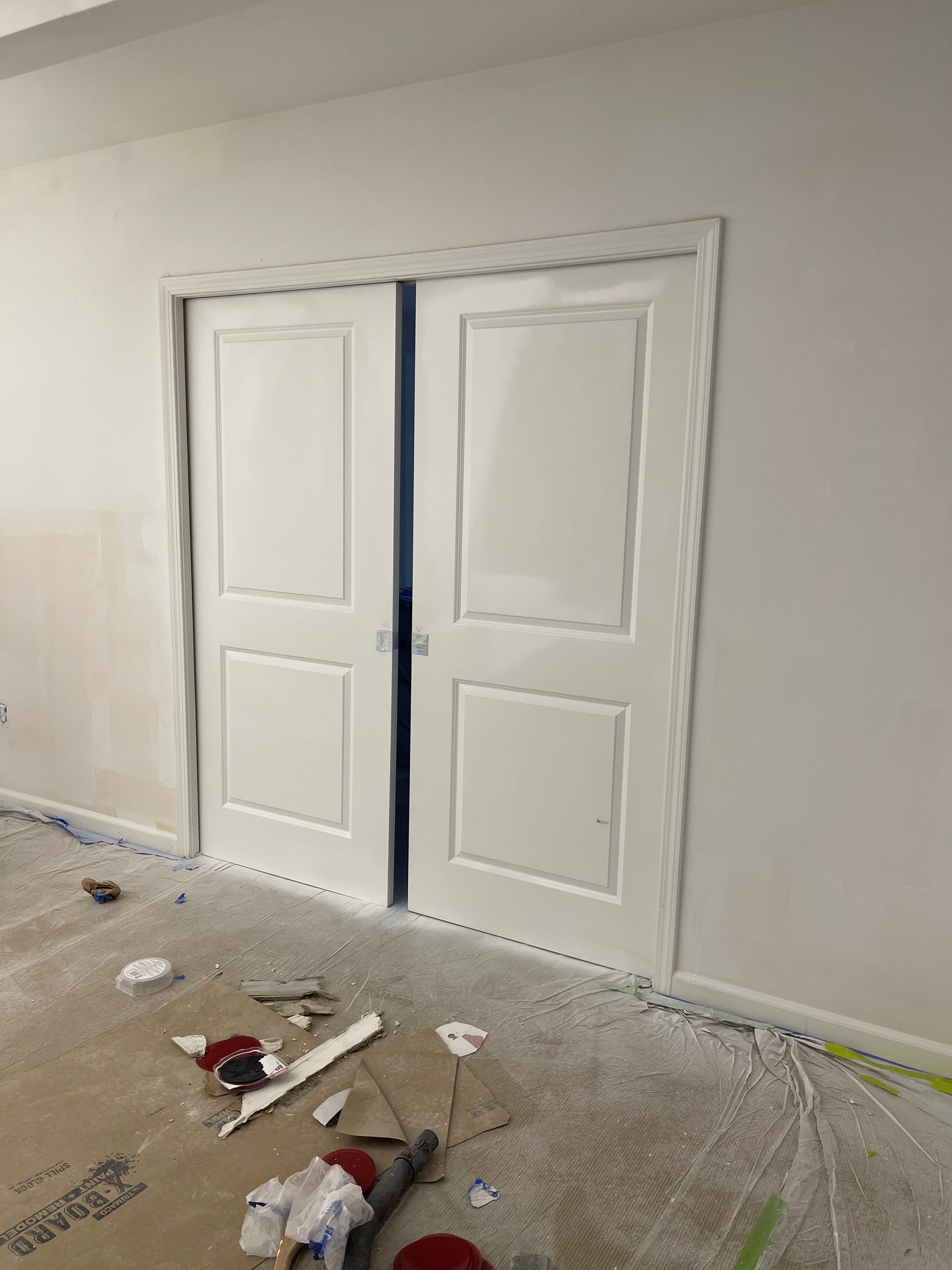
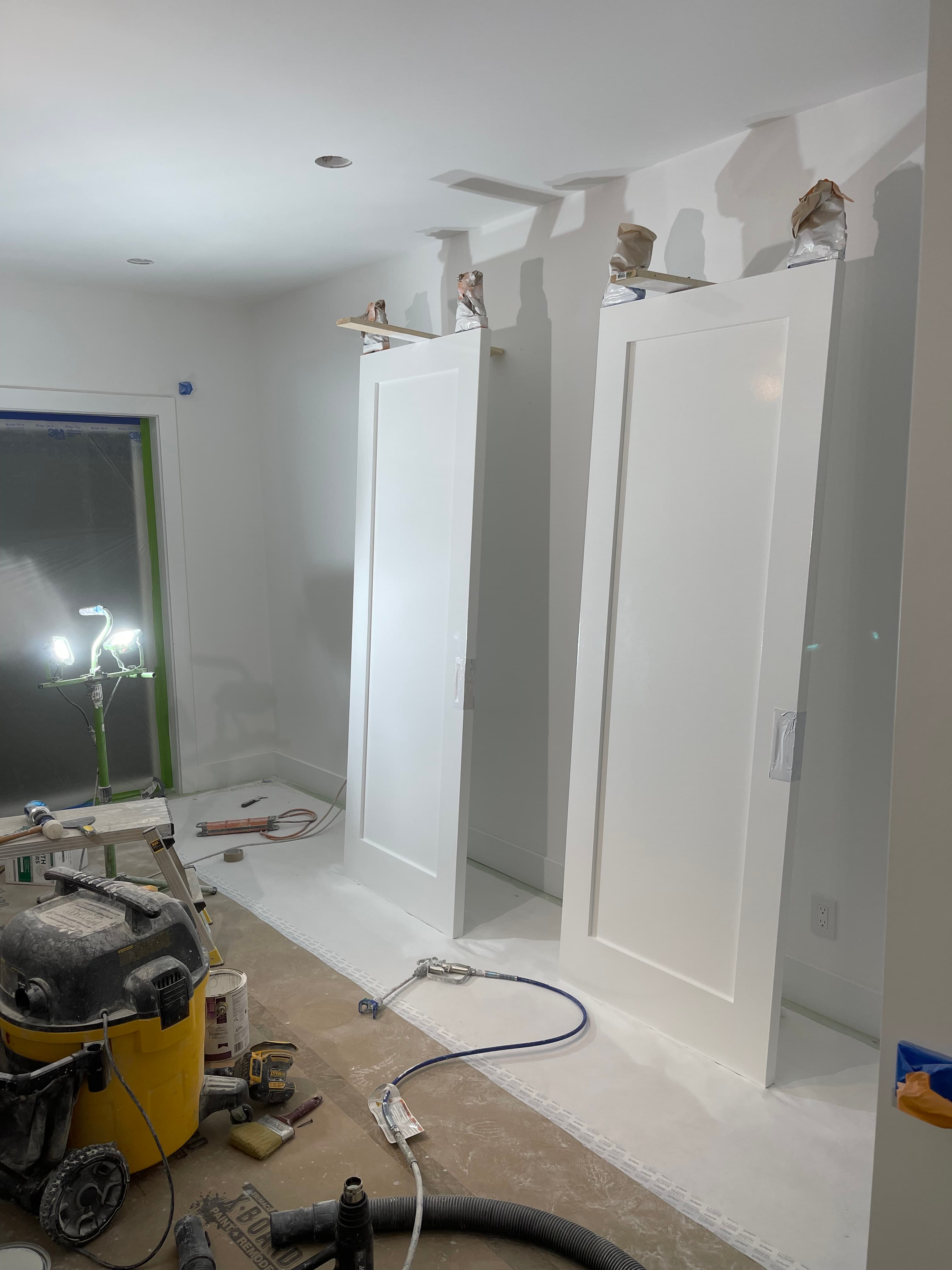
The standard for any trim, woodwork, or cabinetry is Sherwin-Williams Gallery Series water-based urethane trim paint. Formulated for spray application, it self-levels exceptionally well and holds up where other paints in this category create micro-texture or start showing wear ahead of schedule. The cost per gallon is higher upfront — but considerably less expensive than refinishing ahead of schedule.
Wood and trim finishes we've completed
Real projects showing our shellac primer prep, detailed sanding, and Sherwin-Williams Gallery Series finishes across residential and commercial properties in San Francisco.