When we prime — and when we skip it
We choose the primer that fits the surface, not a single house brand. On walls and ceilings already in good condition, or when we’re recoating the same color, we often skip primer after talking it through with you.
The right primer for every surface
The right primer stops stains, seals porous wood, and gives your topcoat a clean surface to grip. We pick each one for the job.
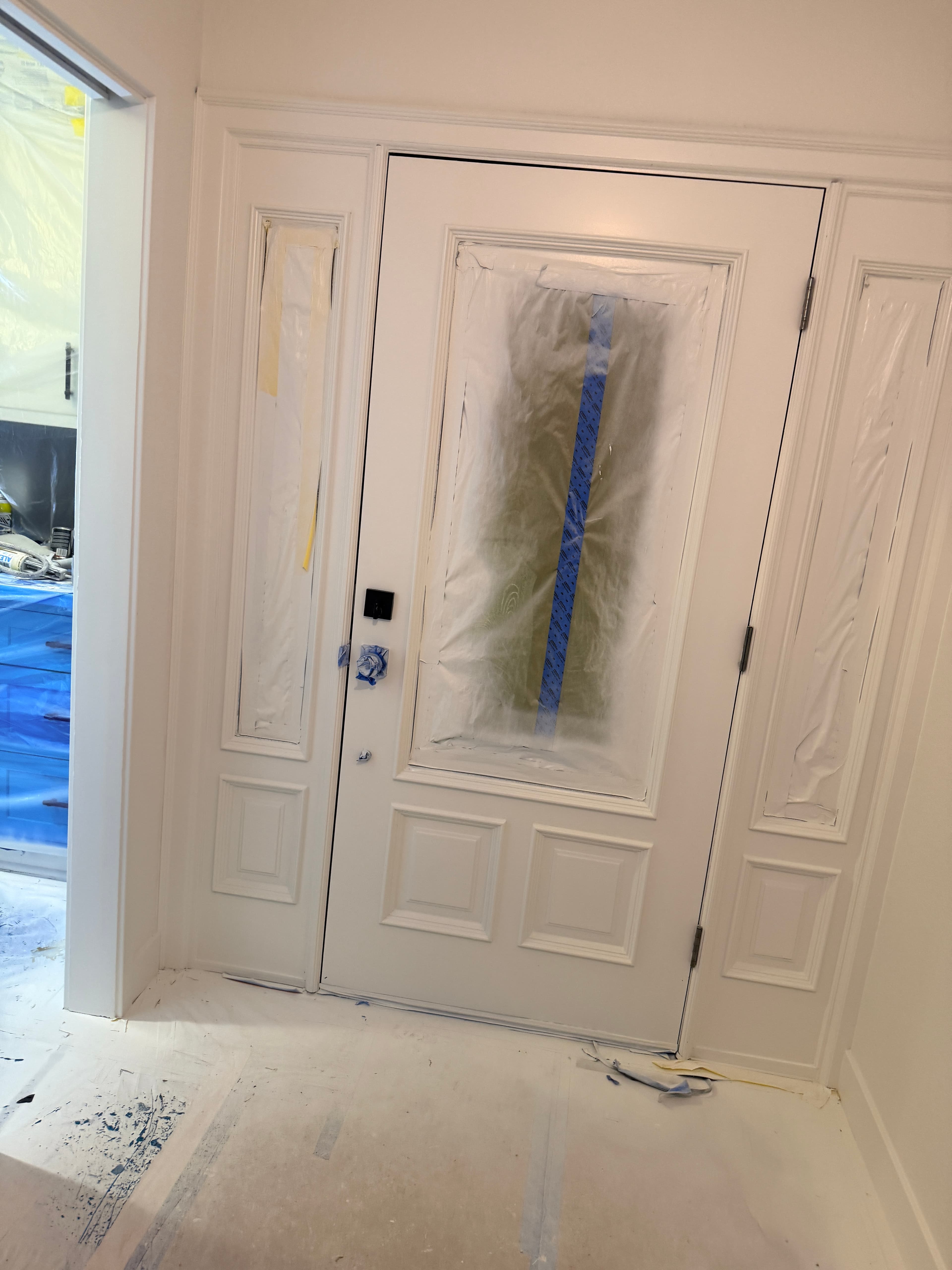
Shellac primer
Blocks water stains, smoke marks, and odors so they never bleed through your new paint.
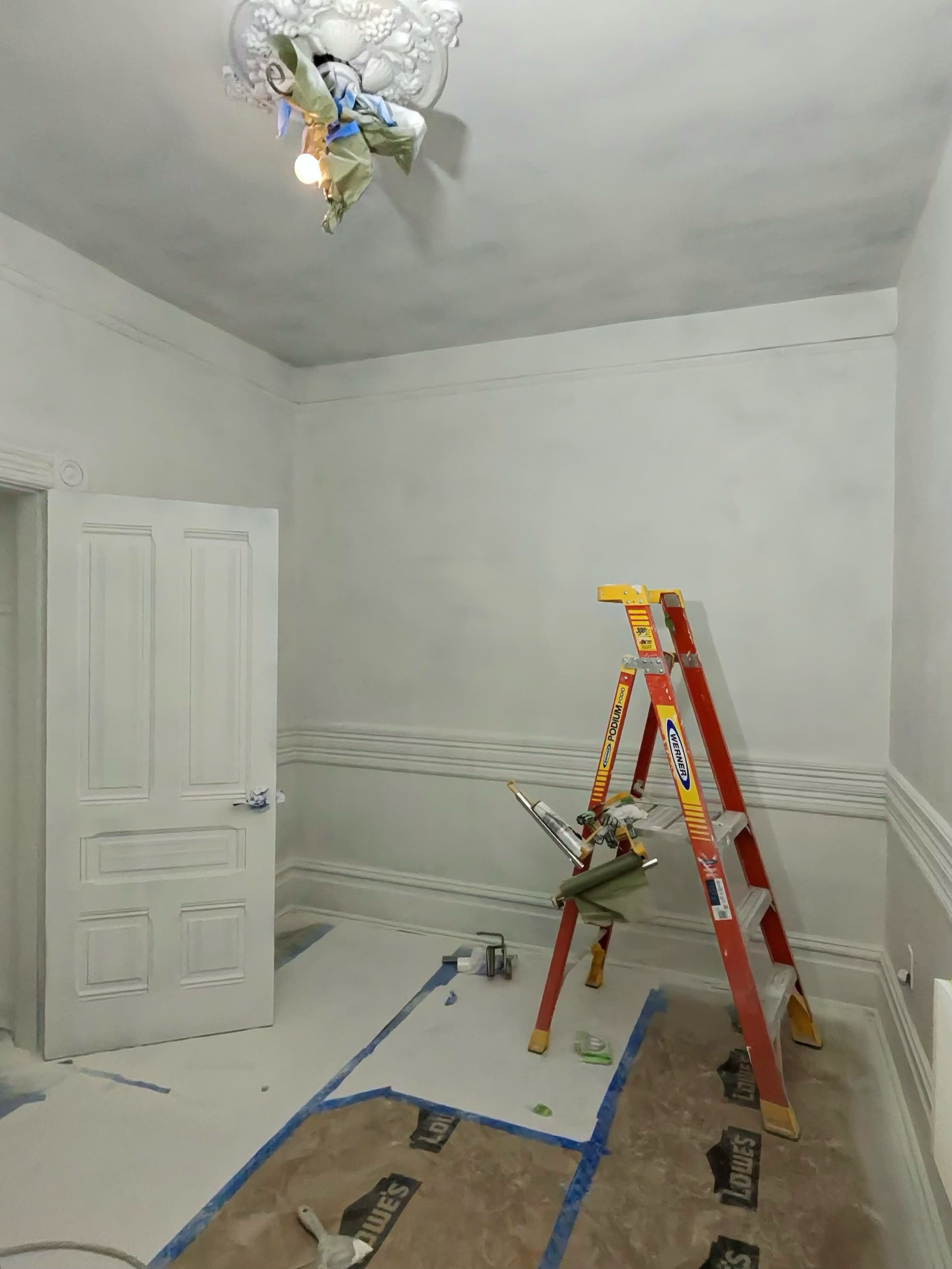
Water-base primer
Low-odor sealer that preps drywall and patchwork fast, ideal for rentals and quick turnarounds.
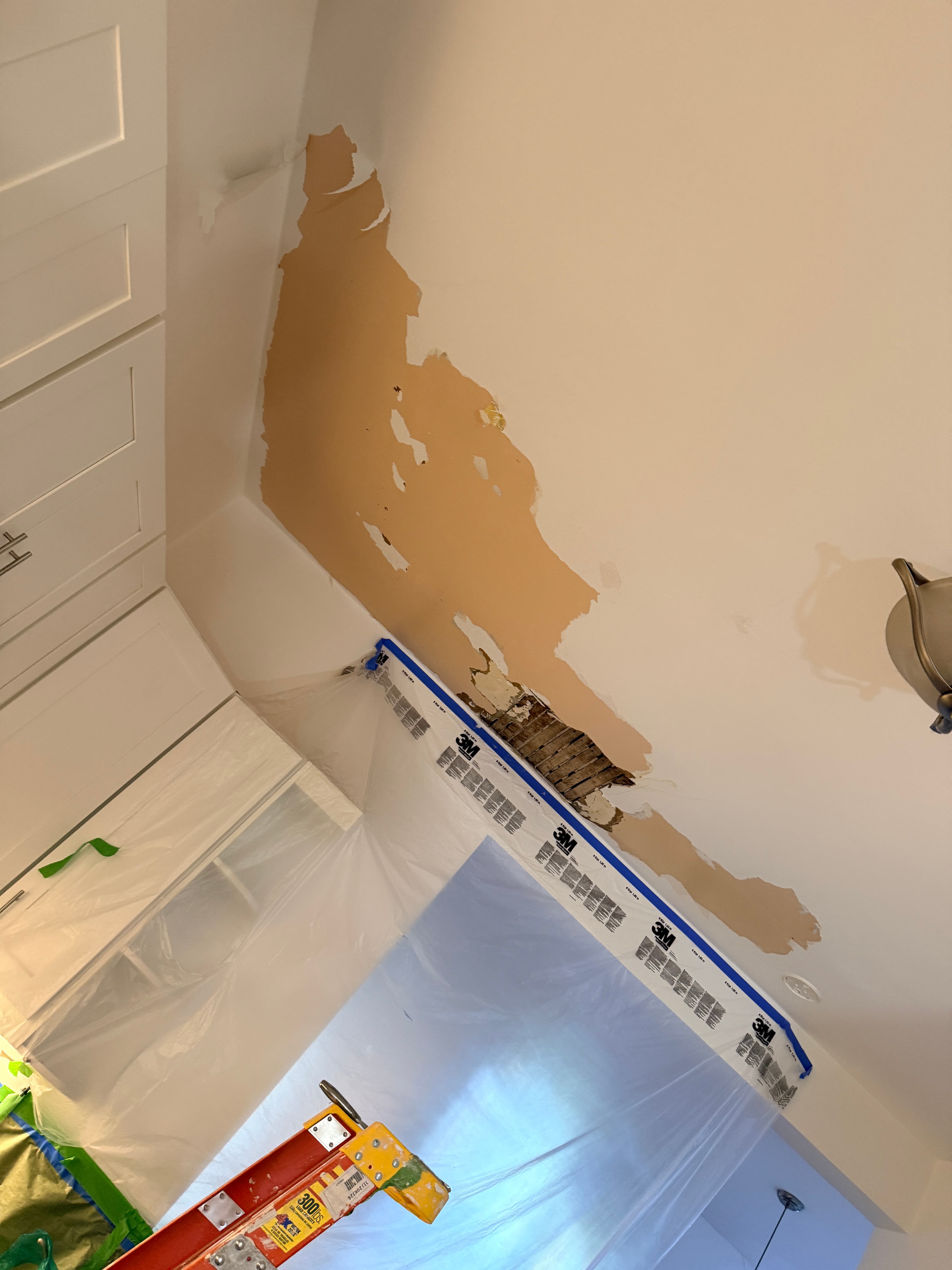
Stain-blocking primer
Locks in nicotine, grease, and water rings for a clean slate before your topcoat goes on.
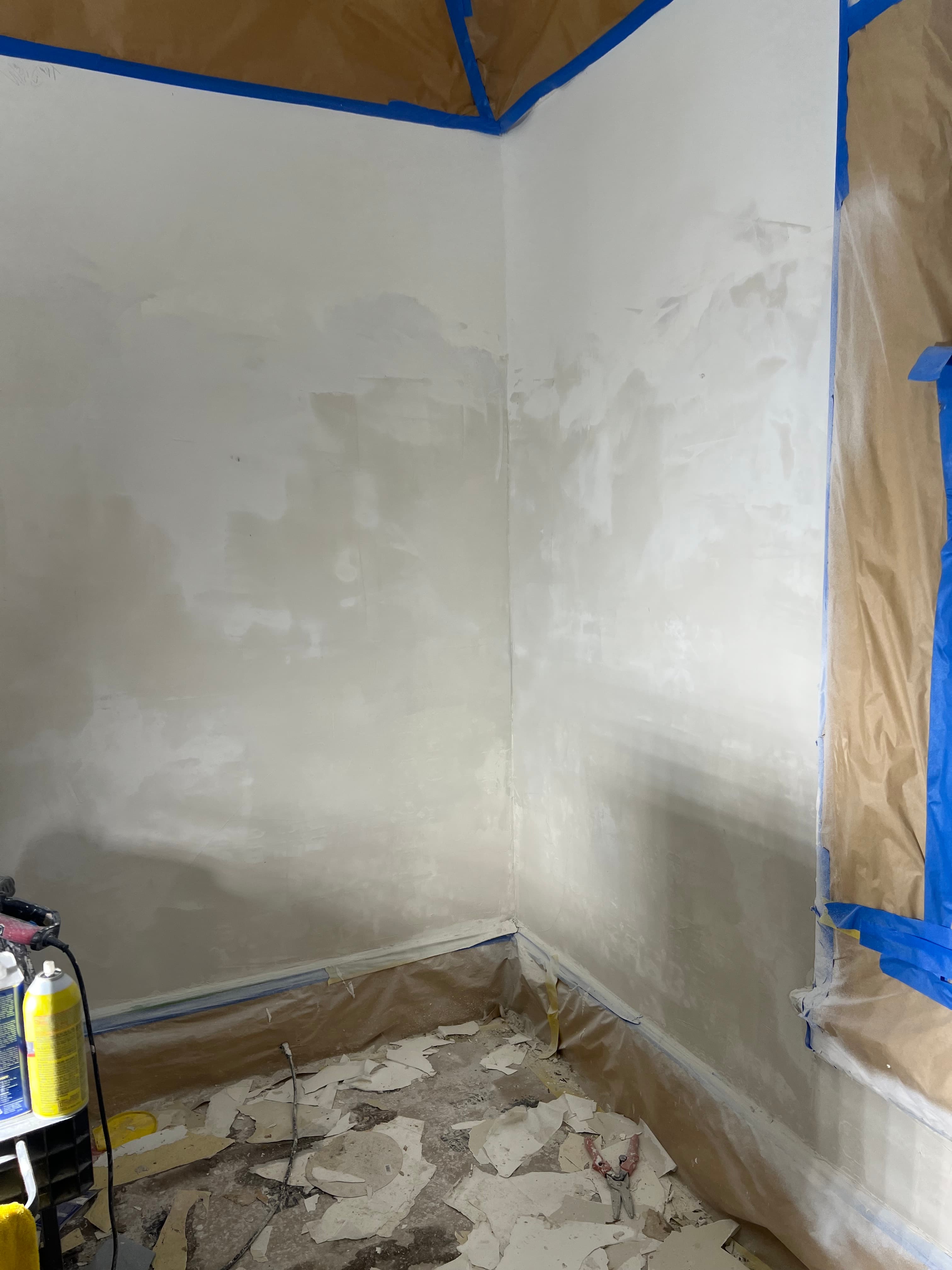
Bonding primer
Grips slick surfaces like tile, laminate, and glossy trim so paint stays put for years.
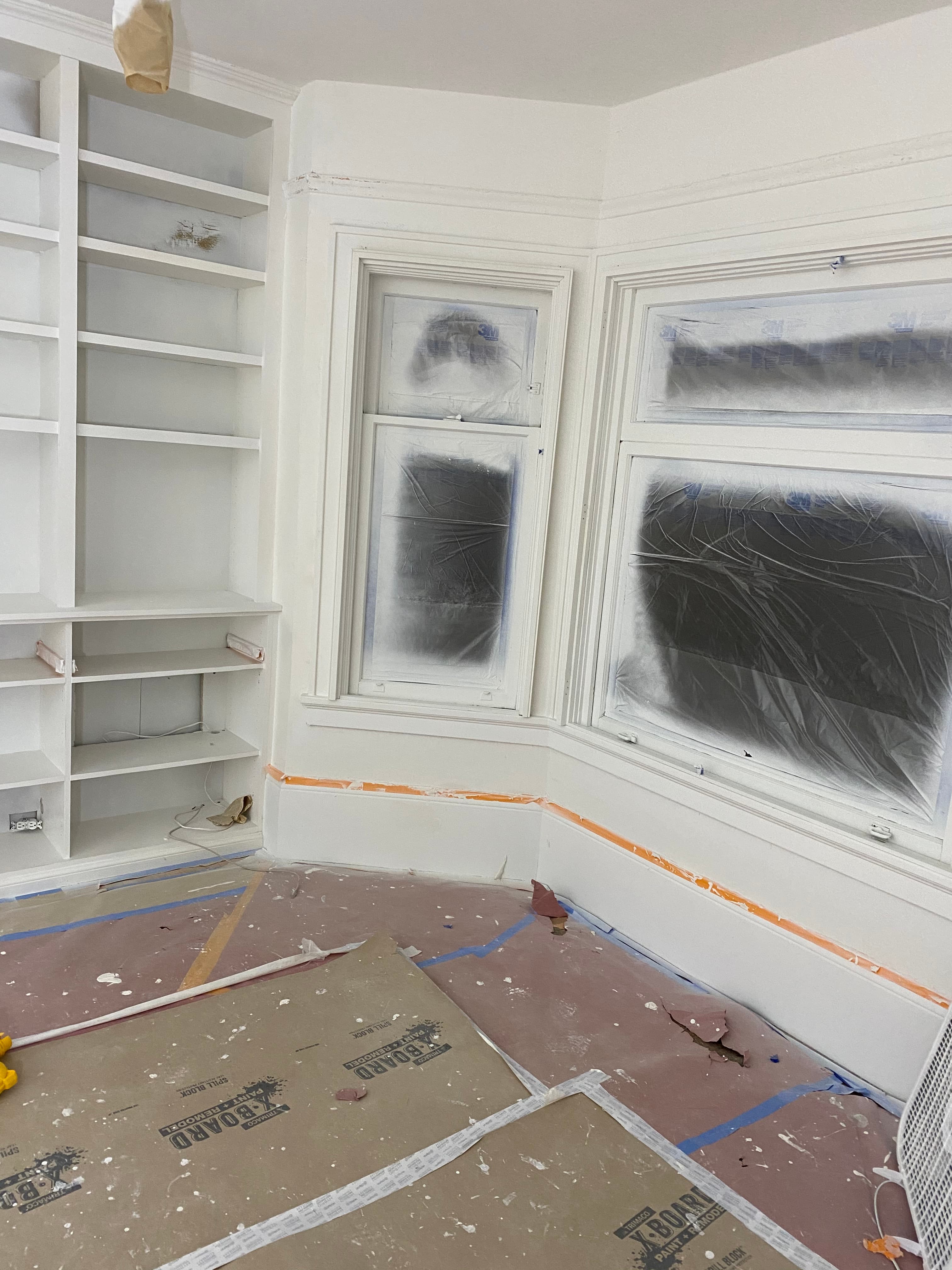
Primer-sealer
Seals fresh drywall and plaster in one pass, cutting down the coats your finish needs.
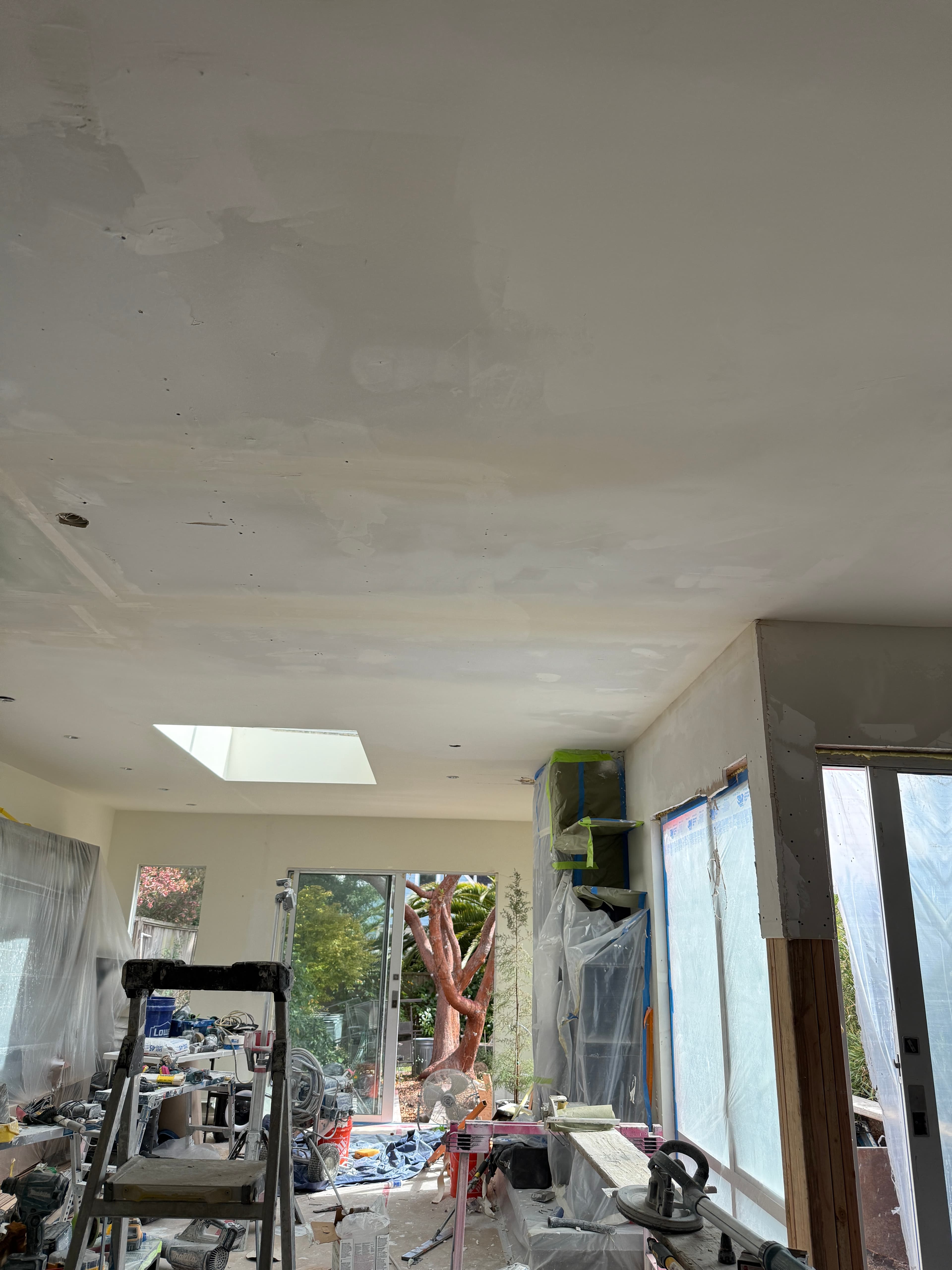
Cabinet-grade primer
A smooth, sand-ready base that helps cabinet paint lay flat and resist chipping in daily use.
Two coats of primer for a flatter, longer-lasting finish
Our two-coat primer approach builds a more even film layer, which means smoother surfaces and noticeably better paint adhesion across San Francisco homes.
Priming questions, answered
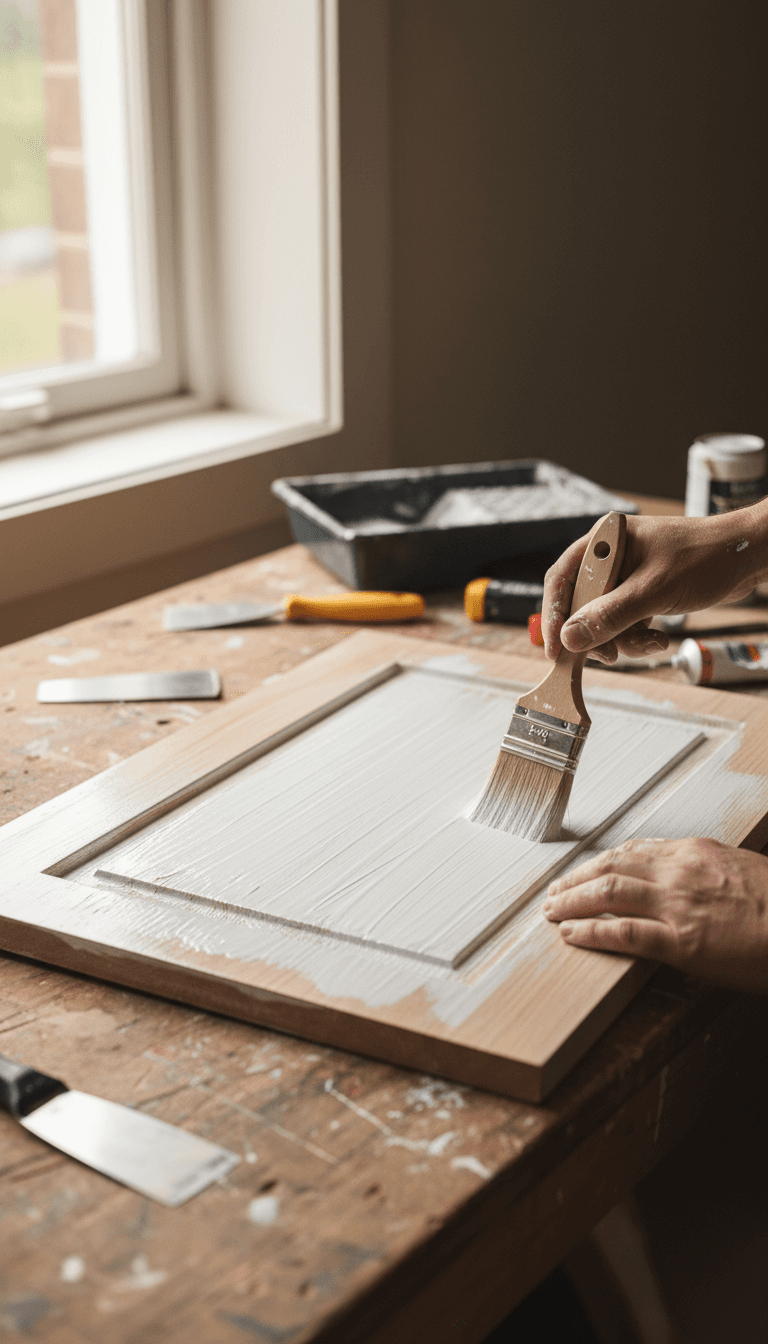
Good priming is boring. That's exactly why we insist on it.
We'll be honest: a primed surface won't win you compliments. What it will do is save you from peeling paint and touch-up headaches, and cost a fraction of a repaint. We prime every surface before we paint, including your cabinets.